Welcome, Developers! 👋
This week explores how Google's AI intermediates brand perception, building functional coding agents in just 200 lines of Python, eliminating staging environments for mono-environment workflows, the industry's pivot to smaller teams with better tools, and talking about culture debt. | | |
| | |
| Ship Third-Party Integrations Without Rebuilding OAuth
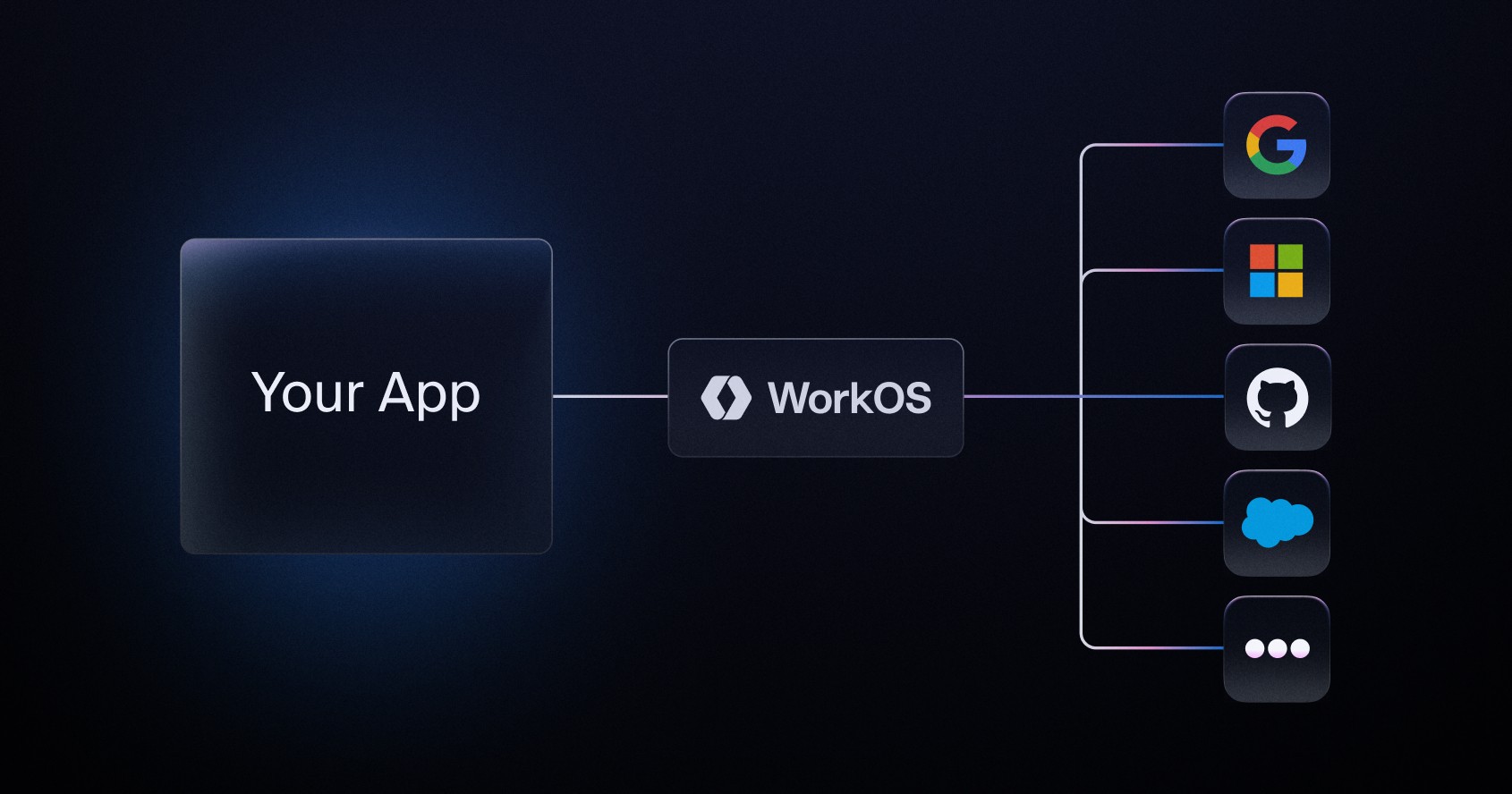
Connecting user accounts to third-party APIs always comes with the same plumbing: OAuth flows, token storage, refresh logic, and provider-specific quirks.
WorkOS Pipes removes that overhead. Users connect services like GitHub, Slack, Google, Salesforce, and other supported providers through a drop-in widget. Your backend requests a valid access token from the Pipes API when needed, while Pipes handles credential storage and token refresh.
| | Simplify integrations with WorkOS Pipes |
| | |
🔖 The Reading Room
Articles we have hand-picked for you: | | |
How First Impressions Now Happen Inside Google’s AI
Google's AI now shapes first impressions before users visit websites. Search has evolved from directing traffic to actively interpreting information, presenting synthesized answers that often become the only interaction. Your brand's ideas may represent you even when your site is never visited, fundamentally changing how visibility works.
By Sukanya Patil → | |
The Emperor Has No Clothes: How to Code Claude Code in 200 Lines of Code
AI coding assistants aren't magic but straightforward Python code. This tutorial demonstrates how to build a functional coding agent from scratch in just 200 lines, using three core tools: reading files, listing directories, and editing code. The agent works through a simple loop where an LLM decides what tools to use, your code executes them locally, and results feed back to continue the conversation.
By Mihail Eric → | |
Staging Is a Wasteful Lie: The Case for the Mono-environment
Every deployment to staging represents wasted effort since users only derive value from production. Phillips highlights how staging creates misaligned incentives, reduces throughput, and extends feedback cycles. The mono-environment approach eliminates this waste by focusing all development effort on the single environment that generates revenue.
By Tom Phillips → | |
The Next Two Years of Software Engineering
Companies now prioritize efficiency over growth, favoring smaller teams with better tools and experienced developers. Five critical questions emerge: Will junior hiring collapse or rebound? Will core skills waste away or become more vital? Will developers become code auditors or system masterminds? Should engineers specialize or generalize? And can traditional education keep pace with rapid industry changes?
By Addy Osmani → | |
Culture Debt
Culture debt accumulates when organizations prioritize speed over sustainable norms and relationships. Boeing's shift from engineering excellence to cost efficiency led to tragic 737 MAX crashes, while Wells Fargo's impossible sales quotas resulted in millions of fraudulent accounts. These weren't sudden failures but accumulated interest from years of rewarding outcomes while ignoring misaligned processes and silenced concerns.
By Mike Fisher → | | |
| | | |
🔗 The Link Lounge Unordered finds from around the web: Find something cool? You can send us links to feature here via email. |
| | | | |
🧰 The Toolbox
Tools and products we're excited about today: | | | |
Brisk
Brisk is an ultra-fast, open-source download manager with a custom-built engine supporting dynamic connections, browser integration for capturing downloads and M3U8 streams, queue scheduling, and cross-platform availability on Windows, macOS, and Linux. Learn more → | |
doom-coding
A DIY guide for coding anywhere using your smartphone by remotely connecting to a 24/7 home computer through Tailscale, Termius, and Claude Code, enabling productive terminal-based development on the go. Learn more → | |
css-color-component
css-color-component is a modern web component color picker supporting multiple colorspaces including oklch, lab, and wide-gamut RGB, featuring popover UI, Shadow DOM encapsulation, and using colorjs.io with Preact signals. Learn more → | |
safe-npm
safe-npm is a security-focused package installer that protects projects from supply chain attacks by only installing npm package versions published for at least 90 days, giving security researchers time to detect compromised releases. Learn more → |
| | |
Ship Third-Party Integrations Without Rebuilding OAuth
Connecting user accounts to third-party APIs always comes with the same plumbing: OAuth flows, token storage, refresh logic, and provider-specific quirks.
WorkOS Pipes removes that overhead. Users connect services like GitHub, Slack, Google, Salesforce, and other supported providers through a drop-in widget. Your backend requests a valid access token from the Pipes API when needed, while Pipes handles credential storage and token refresh.
Simplify integrations with WorkOS Pipes → |
| | |
🎤 Your Voice Your feedback shapes what comes next! We read every email, so simply hit reply and tell us what's on your mind.
| | | | | |
|