OpenClaw joins OpenAI but remains open source. Learn TypeScript generics through real examples, discover why line-by-line review is dead, explore WebCodecs API, and see how AI ends page navigation.

View in browser | Past Issue | Subscribe / Unsubscribe

SitePoint Source

Welcome, Developers! πŸ‘‹

This week: OpenClaw's creator joins OpenAI while keeping the project independent, TypeScript generic constraints explained through practical examples, why AI-assisted development makes line-by-line code review obsolete, WebCodecs API brings hardware-accelerated video processing to browsers, and how ChatGPT-style interfaces are ending traditional page-based navigation patterns that frontend engineers spent decades optimizing.

From our sponsor: AWS

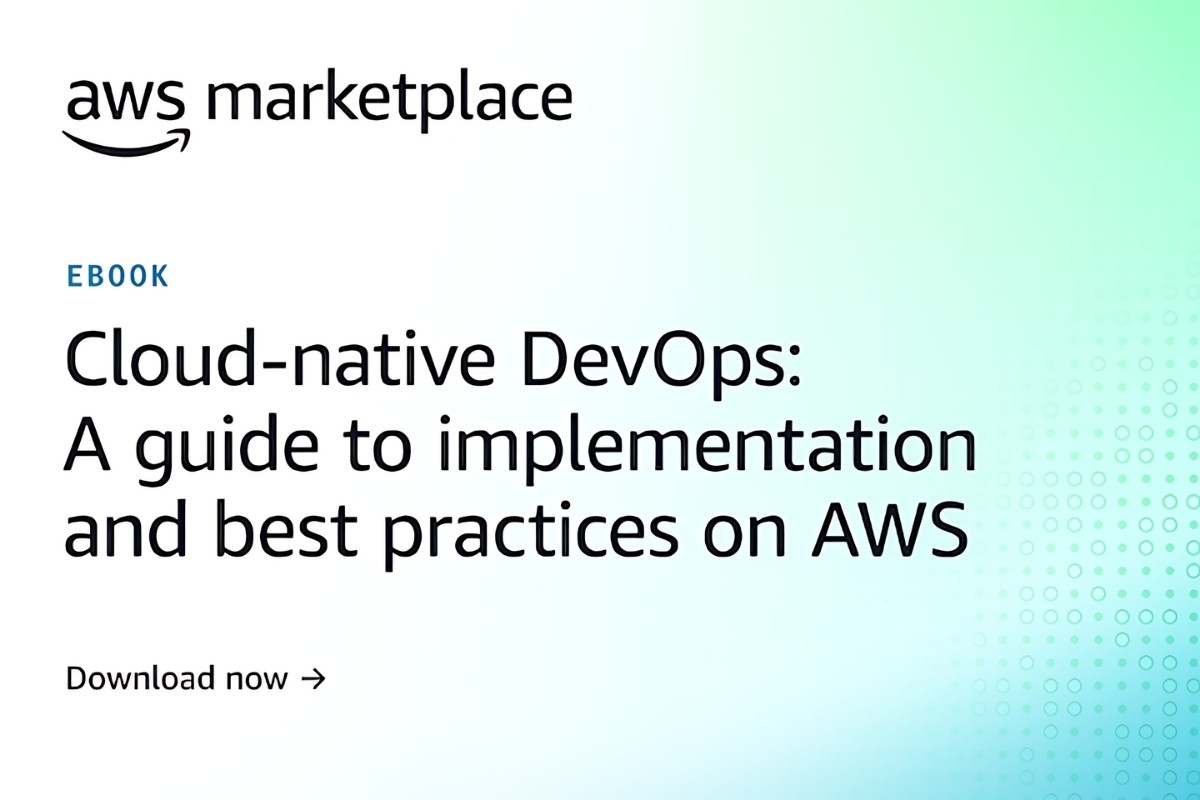
Build faster, more resilient applications with cloud-native DevOps

​Modern application teams must move quickly while maintaining security and reliability.


In this Amazon Web Services (AWS) ebook, learn how cloud-native DevOps practices on AWS help organizations modernize application development, improve deployment velocity, and deliver greater business value.

Download now

πŸ”– The Reading Room

Articles we have hand-picked for you:

OpenClaw, OpenAI and the future

Creator of the booming OpenClaw is joining OpenAI while promising to keep the project independent, open source and community-driven. Having already spent 13 years building a company, he describes himself as a builder at heart who wants to change the world, not manage a large organization. 

By Peter Steinberger β†’

Fun with TypeScript Generics

Through building a fully typed query options helper, this article shows how to use generic constraints (extends) to restrict acceptable values while preserving exact type information.

By Adam Rackis β†’

In Defense of Not Reading the Code

Ben argues that line-by-line code review is becoming obsolete in the age of AI-assisted development. Instead, engineers should focus on specs, testing infrastructure, and verification harnesses while letting AI agents write the actual code. The key is building robust feedback loops and automated verification systems that ensure quality without manual code inspection.

By Ben Shoemaker β†’

How to do video processing in the browser with WebCodecs

WebCodecs is a new browser API that enables hardware-accelerated video encoding and decoding directly in web applications. It gives developers low-level, per-frame control over video processing that was previously only possible with desktop software or server-side processing. This makes it possible to build performant browser-based video editing tools, live streaming apps, and programmatic video generation without installation or configuration.

By Sam Bhattacharyya β†’

The Death of Page-Based Navigation

The rise of ChatGPT has conditioned users to expect instant answers through simple text inputs rather than navigating multiple pages and applying filters to find information themselves. Frontend engineers have spent decades optimizing user journeys from page to page, but those efforts may become irrelevant as AI increasingly acts on behalf of users. The era of users navigating 5 pages deep to derive answers is coming to an end.

By Brayden Wilmoth β†’

⏳ Back in Time

Most clicks from last newsletter:

πŸ”— The Link Lounge 

Unordered finds from around the web:

Find something cool? You can send us links to feature here via email.

🧰 The Toolbox

Tools and products we're excited about today:

Claude Sonnet 4.6

Claude Sonnet 4.6 is Anthropic's latest model with major upgrades in coding, computer use, and reasoning. It features a 1M token context window and matches Opus-level performance at Sonnet pricing.

Learn more β†’

rari 

rari is a React Server Components framework with a Rust runtime and embedded V8. It features zero-config setup, streaming/Suspense support, and native node_modules resolution. TypeScript-first with instant HMR.

Learn more β†’

TanStack Hotkeys 

TanStack Hotkeys is a type-safe keyboard shortcuts library for web apps. It provides cross-platform hotkey support, sequence detection, and key state tracking. Framework adapters are available for React and more.

Learn more β†’

Electrobun v1

Electrobun is a TypeScript framework for building fast, tiny desktop apps. It supports macOS, Windows, and Ubuntu with installers and updates. It simplifies distribution and code signing compared to Electron.

Learn more β†’

Build faster, more resilient applications with cloud-native DevOps

​Modern application teams must move quickly while maintaining security and reliability.


In this Amazon Web Services (AWS) ebook, learn how cloud-native DevOps practices on AWS help organizations modernize application development, improve deployment velocity, and deliver greater business value.

Download now β†’

🎀 Your Voice

Your feedback shapes what comes next! We read every email, so simply hit reply and tell us what's on your mind.